
Introduction
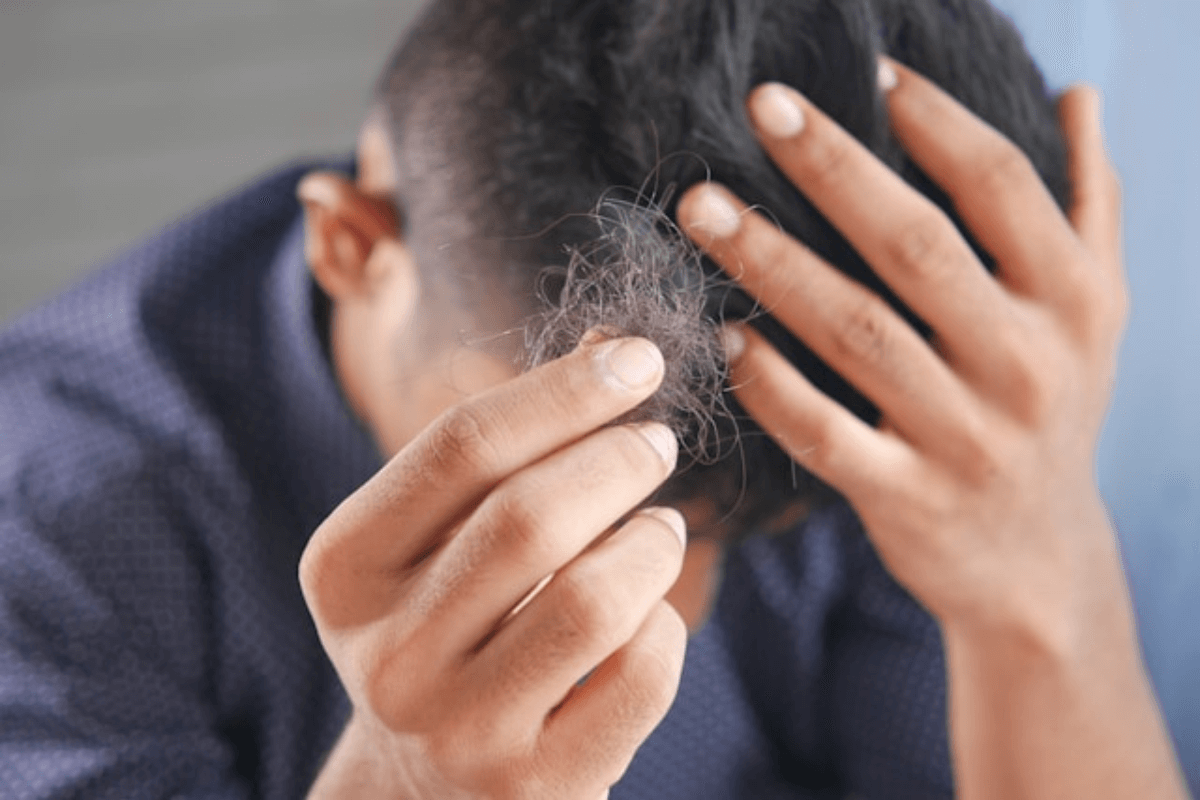
Hair loss occurs when you have too much thinning or excessive shedding due to any changes in your body or lifestyle, health care, etc. Most of the time, losing a certain amount of hair is a normal part of life.
For example, if you lose too much hair after dieting or having undergone surgery, it may cause alarm bells to ring in your head about something being wrong. However, it isn’t uncommon for people who are trying to improve their overall health or through some type of method, be it through diet alone or surgical procedures, to notice that diet changes (i.e., changes to Calories) can negatively impact their Hair Cycle.
Whenever rapid changes in the physical appearance of your body occur, this can result in hair loss during the transition period while your body gets used to the new physical state.
In particular, if you are doing something like a crash diet, eating too little protein, consuming fewer calories, or if you’re considering having a Bariatric Procedure, it is helpful to understand how these methods of weight loss affect your hair growth cycle.
Knowing how to manage and reverse hair loss due to poor diet or surgical procedure is important; however, there is hope, as many individuals can reverse hair loss with enough time and the right diet, medicine, etc.
What is Hair loss?
is lost from either your head/scalp or any of the other parts of your body. It is quite common to lose anywhere from 50 to 100 strands of hair each day; however, when there are bald or thinning patches present on the scalp or excessive amounts of shedding occurring, this can lead to the patient being overly concerned with it.
Patients of all ages are affected by alopecia, whether they’re male or female, and most importantly, the increased chance of experiencing it; depending on the cause, the hair loss could be temporary or permanent.
Causes of Alopecia
- Genetics: Genetics is a very common cause of alopecia in both men and women as they age.
- Hormonal Craft: Another common cause of alopecia is the hormonal changes that occur during pregnancy, menopause, and hormonal irregularities.
- Physical and Emotional Stress: Physical and emotional stress can be a reason for an individual to suddenly experience large amounts of hair loss.
- Nutrition: Not consuming enough protein, iron, zinc, or vitamins can also increase the risk of experiencing alopecia.
Medications/Treatments: Chemotherapy, blood pressure medications, and those that are used to treat depression, just to name a few, can lead to individuals developing alopecia.
- Damage from Hair Styling: Certain types of hairstyles, the use of excessive heat, and the use of harsh chemicals can all contribute to the risk of an individual developing alopecia.
Types of Alopecia
- Alopecia due to patterns – this type of hair loss is mostly attributed to genetics.
- Parthenogenesis – this is when a person experiences hair loss due to some kind of trauma.
- Alopecia areata – this is a type of alopecia that causes patchy hair loss.
Treatments for Alopecia
The best course of treatment for an individual suffering from alopecia is to have an accurate diagnosis of the reason or cause for their experience. Many cases of hair loss can improve naturally through better nutrition, better management of stress, or changes in lifestyle.
Many individuals need to use topical medications, take additional medications (like hormone therapy), or seek medical intervention to have their hair restored. In order to achieve success with restoring hair loss caused by any reason, the success of treatment is dependent on the timing of diagnosis and early action taken.
Does weight loss cause hair loss?
When you lose weight, and the scale goes down, you can see improvement in your health, self-esteem, and energy levels. The results you see may not always be what you expected, though, especially if the way you lost weight included dieting and/or rapid methods of reducing body fat.
Hair loss is a common side effect for many people when they are trying to lose weight. It is worrisome to experience this since you were likely so proud of losing weight, but it is important to know how weight loss affects your body and how you can protect your health while dealing with hair loss.
Weight loss causes your body to focus on maintaining its basic functions – like heart rate and breathing – while you are in a caloric deficit. Meanwhile, your body may be temporarily slowing down its non-essential functions, such as fast hair growth.
Your nutritional habits, stress levels, and hormonal equilibrium have a large impact on how your body responds throughout the weight loss process.
A gradual decrease in caloric intake through healthy eating habits and/or regular exercise can allow your body to adjust. On the flip side, extreme restriction of caloric intake can put stress on your body and interrupt the physiological cycles it normally goes through.
Most of the time, hair loss that occurs while losing weight is simply temporary. Often, it occurs for three to six months following your significant change in nutrition and/or body weight. This condition usually happens as a result of a natural process, where more hair follicles enter the resting phase of growth.
Hair loss from dieting is often seen as temporary because, as your nutrition improves, normal growth cycles resume.
Reasons Why Hair Changes During Weight Loss
There are several reasons why hair health changes as a result of dieting:
Low protein intake – Hair is primarily made up of proteins, so if you are not eating enough protein, your hair will be weak.
Vitamin and mineral deficiencies – Iron, zinc, biotin, and vitamin D are needed for healthy hair growth.
Rapid weight loss – If you are losing weight quickly, your body has to deal with extra physical stress.
Hormonal changes – As a result of weight loss, there may be changes to your body’s insulin, thyroid hormones, and cortisol levels, which can disrupt your hair growth cycles.
Emotional stressors – The stress involved with dieting can trigger your body to shed hair.
When You Should Not Worry about Hair Loss
Most cases of temporary hair loss occur within the first three to six months after your caloric intake improves. If your hair loss dries or becomes patchy, this may be a signal that something else is going on with your body and should be evaluated by a medical professional.
Ways to Prevent Hair Loss
If you want to protect your hair from loss while dieting, the best way to do this is to eat a well-balanced diet, slowly lose weight, and gradually decrease caloric intake over time.
Many people who are losing weight using extreme methods usually provide themselves with either inadequate protein, fats, or micronutrients to maintain healthy hair. Additionally, protecting against dehydration and managing stress levels can be critical as well.
If you are concerned about losing your hair, then seek advice from a doctor or registered dietitian. They can help you create a customized plan that will help you achieve your weight loss goals while maintaining your health and wellness.
Why does weight loss cause hair loss
If you lose weight, there are many health benefits that you can experience. You will have improved energy levels, better heart health, and increased confidence.
Unfortunately, some people experience side effects after they lose a lot of weight suddenly or at extreme rates. One of the most common side effects associated with significant weight loss is changes in your hair’s health.
Knowing how this happens will help prevent it and allow you to be aware of how to protect your body while working to meet your fitness goals.
Weight reduction can affect hair production for several reasons, which will be discussed in this article.
1. Crash Diets
One of the leading causes of hair issues as a result of weight reduction is crash dieting. These diets involve extreme over-restriction of calories for a short period of time.
Once the body is abruptly deprived of energy, it enters a survival mode and prioritises maintaining life-supporting organs like the heart and brain. Therefore, hair growth is not an immediate necessity and slows down significantly during this time.
This type of diet can be a shock to the system and disrupt the normal hair growth cycle temporarily. More hair will go into the resting (falling out) phase and not return until weeks or months later.
Stress hormones are also elevated during crash dieting and can harm the scalp. Therefore, slowly and sustainably losing weight is safer for both your health and appearance.
2. Very Low Protein Diets
Protein is essential for strong and healthy hair. Therefore, when someone suffers an aggressive caloric deficit, they also drastically reduce protein intake. Hair is primarily made up of keratin (a type of protein), and therefore, with low protein consumption, the hair becomes weak and broken over time.
Very low protein diets signal to the body that the body is conserving and not producing as much protein. Therefore, hair growth has less of a priority. As a result of this low protein level, hair will thin and break, and will take much longer to regrow.
Sufficient protein from food sources such as lean meats, eggs, legumes, and plant proteins will provide a proper amino acid level to support healthy hair while allowing weight loss.
3. Weight Loss Surgery
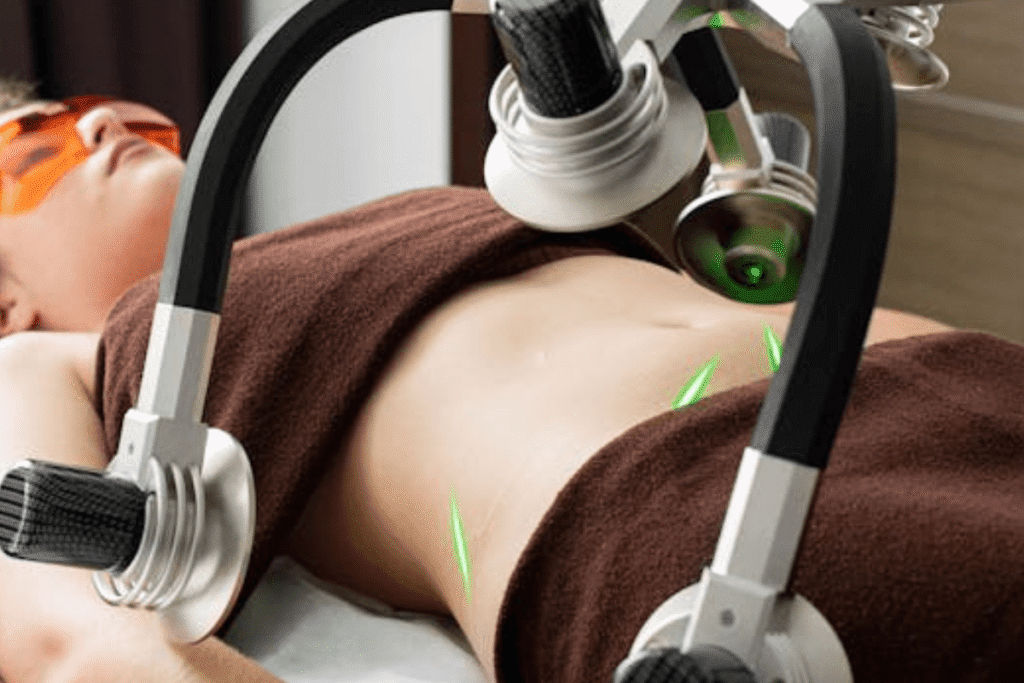
Weight loss surgery can be life-saving to people suffering from obesity, but create nutritional deficiencies early on after a surgical procedure. The most common post-operative problems are significantly reduced food intake and limited absorption of nutrients into the body.
This may result in a lack of iron, zinc, biotin, and vitamins, affecting the strength of one’s hair and the cycle of hair growth.
If a person who has undergone weight loss surgery does not get proper vitamin and mineral supplementation or appropriate post-operative care, they may be lacking nutrients to maintain healthy hair.
Although this is often a temporary effect, it highlights the importance of working closely with a medical professional, having a healthy nutritional balance, and planning for long-term, healthy eating habits after their surgery.
4. Restricting Diets
Restricting diets where individuals cut out entire food groups can also negatively impact the health of an individual’s hair. Eliminating carbohydrates, fats, or a particular type of nutrient from your diet without an appropriate replacement could cause deficiencies.
Healthy fats, for example, play a valuable role in maintaining moisture in the scalp, regulating hormones, and supporting healthy hair growth.
If the body does not receive a complete assortment of nutrients, it has difficulty maintaining the normal physiological functions it depends upon. Balanced nutrition that includes a variety of foods is a key factor in preventing nutrient deficiencies and supporting general health and fitness during weight loss.
Weight loss and hair loss in females
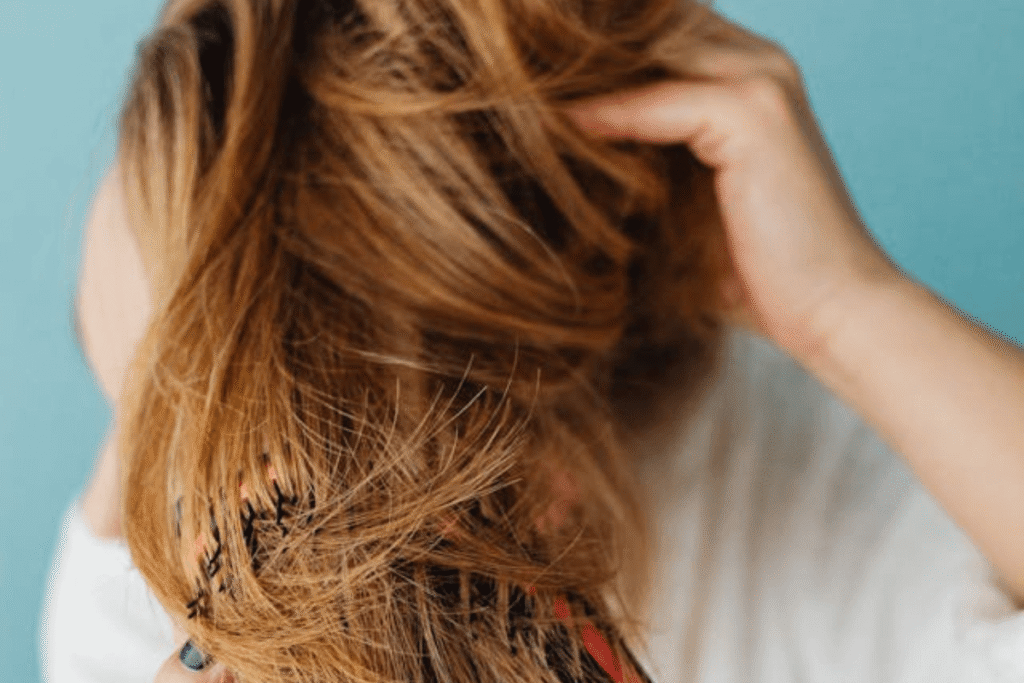
The process of losing weight can have a lot of positive impacts on your health, but for some women, weight loss leads to unexpected changes in their hair. The experience of hair loss during or after weight loss can be very disconcerting.
By understanding the reasons behind hair loss, women can minimize their stress levels and be better prepared to recover from the experience.
Why are women more susceptible to hair loss during weight loss?
Due to both physical and hormonal modifications in the body, women tend to feel the effects of weight loss more acutely than men. As a result of significant weight loss, the body redistributes nutrients that are otherwise used for hair growth and redirects them towards the body’s organs that are most essential for survival.
Thus, the body may not have enough resources available for hair growth at this time. Therefore, as a result of nutrient depletion during weight loss, women who have pre-existing iron deficiency, thyroid imbalance, or hormonal variation may experience excessive shedding or severe thinning of their hair.
Nutritional deprivation and caloric deficits
When calorie intake is drastically cut (an extreme caloric deficit), many women will experience hair loss. Most women who are losing weight are eating very low amounts of protein, iron, zinc, and healthy fats, which causes hair follicle weaknesses and disrupts the normal hair growth cycle.
With continued eating patterns of this type, eventually women will notice increased shedding and severe thinning of hair that may be mistaken for permanent hair loss.
Hormonal changes during weight loss
Fat tissue serves as a storage depot for estrogen. Therefore, when there is an abrupt change in a woman’s body fat levels, there may be a decrease in estrogen levels, which causes the hair follicles to be pushed into a resting state.
Many women experience the hormone-related hair loss that results from aggressive dieting. For women with conditions such as PCOS, the hormonal changes caused by rapid weight loss can lead to increased amounts of hair loss.
Stress, Lifestyle Changes, and Exercise Lifecycle
Women who are attempting to gain body weight typically exercise more intensely and engage in a higher degree of mentally stressful behaviour than men.
Chronic stress raises cortisol levels, which causes disruption of the normal hair growth cycle. Poor sleep and excessive training may increase the likelihood of hair loss as a result of the cycle created between physical stress, delaying regrowth, and prolonged hair loss.
Hair Regrowth is Possible
Women accompany their weight loss journey with well-balanced meals, adequate amounts of protein and vitamins (including iron and biotin). To effectively prevent as much of the shedding associated with a rapid weight loss period and to promote proper regrowth.
Women should gradually reduce their body weight. Following weight reduction, most people will see a decrease in shedding as the body adapts to the new environment and becomes better nourished, allowing for normal growth.
Does weight loss surgery cause hair loss?
Bariatric surgery can change the lives of people with obesity, but it frequently leads to short-term side effects. One side effect patients often notice after undergoing weight loss surgery is hair thinning that typically occurs three to six months post-operatively.
The rapid body changes that result from surgical belly fat removal, such as gastric bypass surgery and the gastric sleeve, can severely stress hair follicles and will put the majority of hair follicles in the resting cycle. This phenomenon is known as Telogen Effluvium (TE).
Another major contributor to hair changes following bariatric surgery is nutrient deficiency. The type of diet that is typically implemented after surgery limits patients to a much smaller amount of food intake and creates difficulties getting adequate amounts of protein, iron, zinc, biotin, and B12.
These nutrients are all significant for healthy hair growth; without adequate amounts of these nutrients, the hair growth cycle is slowed down significantly.
Patients can minimize their risk of hair thinning by:
A. Meeting their daily protein requirement
B. Taking nightly multi-vitamin and/or mineral supplementation as prescribed.
C. Avoiding severely restricting their calorie intake.
Conclusion
The loss of weight can be associated with the loss of hair, but this condition is typically only temporary and can be prevented. When the body goes through a stressor, like a diet, it will prioritise its most critical organs first, resulting in interruption of the normal cycle of hair growth.
Typically, it has been noted that extreme caloric restriction, low protein intake, and deficiencies in certain nutrients (i.e., deficiency in B vitamins) will increase the risk of hair loss.
On the other hand, a balanced diet, gradual weight loss, proper protein intake, and vitamin and mineral supplementation will all play a role in reducing hair loss. In instances where an individual goes through surgical procedures or has large dietary changes, getting professional assistance will be very beneficial.
The most encouraging news is that after the adjustment period and with the return to a nutritionally balanced diet, the individual will often regain normal hair growth. Therefore, by focusing on developing long-term health versus fast-paced results, you will not only maintain your health, but you will also maintain healthy hair.