
Introduction
Nutritional yeast (often abbreviated to “nutritional yeast flakes”) is a commonly used ingredient among vegans, those who focus on improving their health, and casual cooks who appreciate the cheesy/nutty flavor of this ingredient. While deactivated and available in dry form, many people think the shelf life of nutritional yeast is infinite; however, as with all food products, nutritional yeast has an expiry date.
The shelf life of any food product is negatively affected by the amount of oxygen, humidity, and temperature to which it is exposed during storage. Understanding the typical storage duration for nutritional yeast and how to properly store it, as well as recognizing signs of spoilage, can help maximize the freshness of this product and allow the consumer to enjoy nutritional yeast for several months.
Whether used for seasoning, cooking, or increasing B vitamin levels, it is important to ensure that plugged nutritional yeast is stored properly and is still good for you! We will cover everything you will need to know regarding the shelf life and storage recommendations for nutritional yeast.
- Introduction
- What Is Nutritional Yeast and How Is It Made
- Does Nutritional Yeast Actually Expire?
- Shelf Life of Unopened Nutritional Yeast
- How Long Does Nutritional Yeast Last After Opening
- Signs Your Nutritional Yeast Has Gone Bad
- How to Store Nutritional Yeast for Maximum Freshness
- Can You Still Use Nutritional Yeast After the Expiration Date?
- The Best Way To Store Nutritional Yeast
- Summary
What Is Nutritional Yeast and How Is It Made
Nutritional yeast has gained popularity recently, particularly among vegans, health enthusiasts, and those seeking a savory, nutty, cheesy flavor. To better understand the function of nutritional yeast when stored in kitchens, one must first recognize what nutritional yeast is and how it is processed.
What Nutritional Yeast Really Is?
Nutritional yeast, or its colloquial name ‘nooch’, is a dead or inactive strain of yeast. Unlike other yeast products, such as baking and brewing yeast, nutritional yeast does not ferment or rise. Therefore, it is safe and easy to add directly to foods without fear of inappropriate fermentation.
Characteristics of Nutritional Yeast Include:
- Saccharomyces cerevisiae
- Deactivated by heating
- Certified gluten-free and vegan
- Rich in B vitamins, including B12 when fortified
- Rich and savory to taste
- The Production Process of Nutritional Yeast
Production of nutritional yeast has a controlled process to ensure quality and safety.
The steps to make nutritional yeast include:
- Cultivation-Inoculation of yeast, fermentation, and production of yeast nutrient-rich environment (i.e., molasses or sugar beet pulp)
- Fermentation-Yeast multiplication and growing nutritionally-laden
- Deactivation-Utilization of heat to deactivate the fermentation and make the yeast inactive
- Harvesting-Washing, separating, and preparing yeast
- Drying/Fortifying-Prepping (i.e. flakes/powder) and fortifying process (B vitamins)
- Packaging-Finally, seal the container properly to keep moisture/oxygen out
The Production Process is Important Because
The method(s) in which nutritional yeast is produced are directly related to:
- Shelf life
- Flavor stability
- Nutritional profile
- Storage requirements
Because deactivated and dried, nutritional yeast is stable and has a longer shelf life than most pantry foods, but while it is stable, it is not indefinite, which brings us to the next point: Does nutritional yeast expire?
Does Nutritional Yeast Actually Expire?
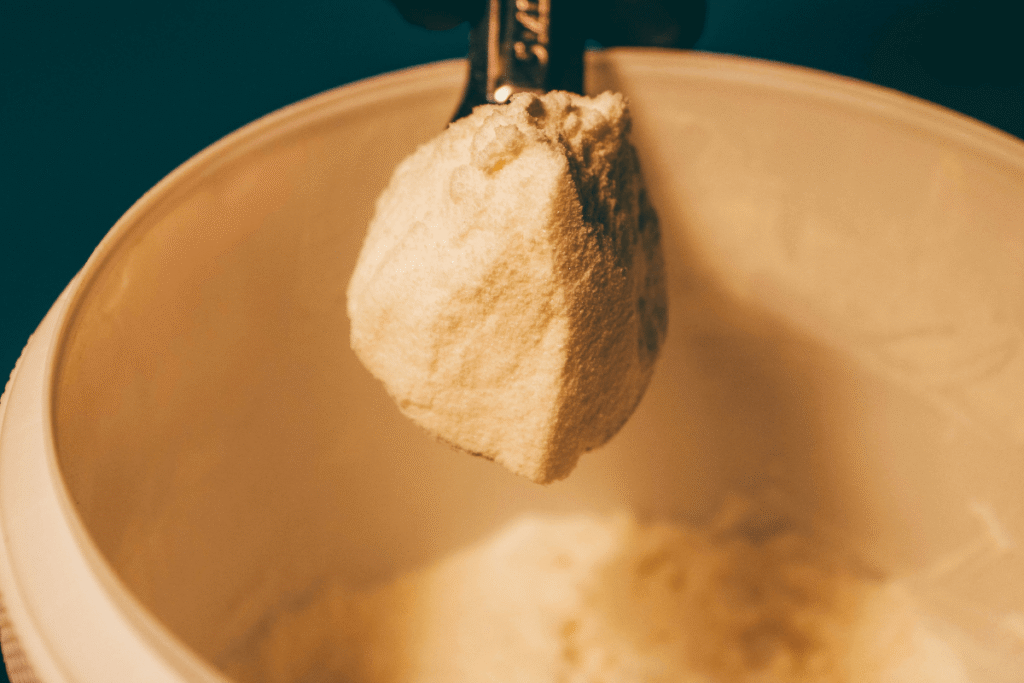
Surprisingly, many people learn that nutritional yeast lasts just about as long as it takes to dehydrate after it was manufactured, and still contains a nutritional profile. Although nutritional yeast will not spoil like fresh foods, it will lose nutritional value, flavor, freshness, and color during storage.
Expiration of Nutritional Yeast VS Freshness of Nutritional Yeast
Nutritional yeast is not likely to grow mold, because there’s little to no moisture present in the product. However, nutritional yeast will eventually lose its ability to be a source of nutrients as nutritional yeast has its peak freshness and nutritional profile for a finite period of time, e.g., before it will fade in color and/or nutritional value.
Examples: Nutritional Yeast
- It will lose the cheese flavor of nutritional yeast as time progresses.
- Nutritional yeast will not be the same color or will fade.
- B-vitamins contained in nutritional yeast will degrade over time.
- Nutritional yeast absorbs moisture and clumps.
- Rarity: Nutritional yeast will develop “off” odors when exposed to high humidity.
Most Nutritional Yeast brands have printed on the product a “Best By” date, which represents a period of time that the nutritional yeast flavor/nutritional value will be at its peak, not when it becomes unsafe for consumption.
Nutritional Yeast Shelf Life
Nutritional yeast has different shelf lives (storage types):
- 1-2 years
- Remain Fresh (store in a cool, dry location)
- 6 months to 1 year
- Remain Food (store in airtight containers/jars)
Nutritional Yeast Signs That It Has Gone Bad
Signs of stale Nutritional Yeast:
- Moisture clumps or sticky texture
- Smell/Flavour weak, diminished, or absent
- Bitter or sour smell
- Dull Colour or Faded flakes
If moisture is present, nutritional yeast has become unusable due to moisture contamination or rancidity.
Shelf Life of Unopened Nutritional Yeast
Unopened nutritional yeast has a long shelf life, making it an ideal pantry item for vegans, those who cook, and anyone who likes its cheesy, nutty flavor. Because it is dried and inactive yeast, unopened nutritional yeast does not spoil quickly, but it does have a limited shelf life like any other food product.
Unopened Nutritional Yeast Shelf Life
The date indicated on the nutritional yeast packaging is the “Best By” or “Best Before” date. This date is an indication of the highest quality, in terms of flavor and nutrient value, not necessarily indicating it is unsafe to consume.
Usually, unopened nutritional yeast will maintain freshness for 18 to 24 months past the manufacturing date, with an extended period beyond the printed date if stored appropriately. The quality and taste will last longer if kept in cool, dark locations.
Why is Nutritional Yeast Unopened Longer Lasting?
The unopened packaging protects unopened nutritional yeast from:
- Moisture (the largest cause for spoilage)
- Air and oxygen (which destroy nutrients)
- Strong odors (which can be absorbed by flakes)
- Light (which causes a decrease in vitamin potency)
The unopened seal keeps unopened nutritional yeast fresher and more potent than an opened product for continued use for as long as 6–12 months past the printed date
Signs Unopened Packages Are No Longer Fresh
Even if the package is still sealed, always check for:
- Swollen or punctured packaging
- Wet or sticky clumps of yeast
- Dark spots, discoloration, or unusual colors
- A musty or sour scent once opened
If a tear occurred that allowed moisture or air into the package, the yeast is no longer good for consumption.
How Long Does Nutritional Yeast Last After Opening
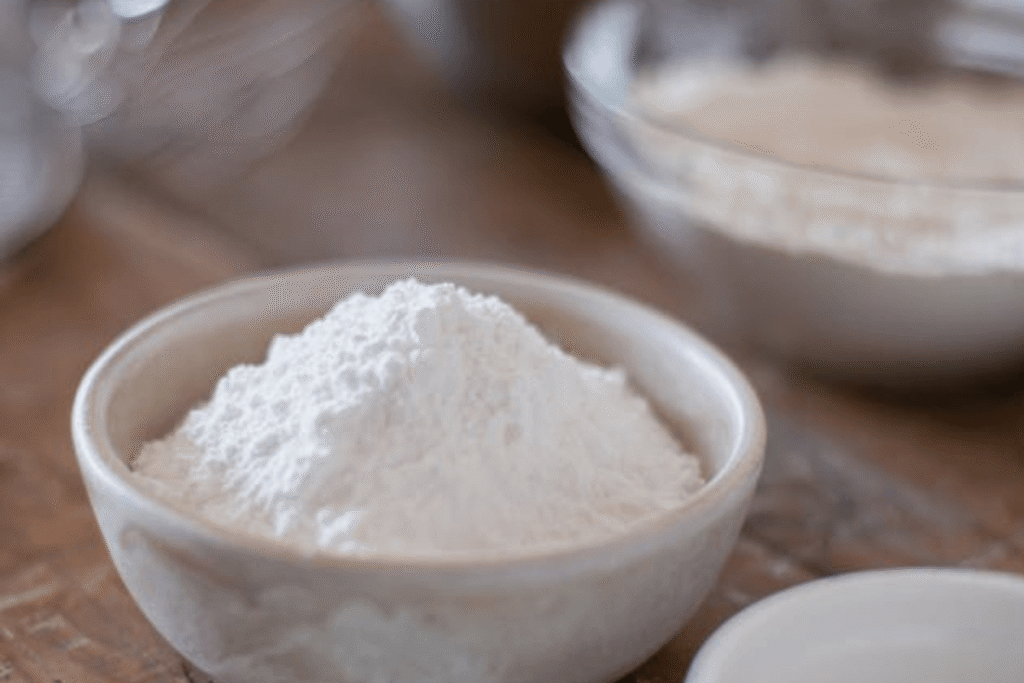
Once opened, the nutritional yeast’s shelf life depends on the method used to store it. Nutritional yeast will not spoil quickly like other types of perishables, but it may lose most of its flavor, aroma, and nutrients if not stored correctly.
Unopened Nutritional Yeast Shelf Life
Typically, most opened nutritional yeast will last for:
- 6 months to 1 year when stored in a cupboard.
- Up to two years when kept in an airtight container.
Storage method will affect how long opened nutritional yeast can maintain freshness, and storing the product in warm, humid environments or exposing the exterior to air will also shorten the product’s lifespan. In general, longer exposure to air means quicker deterioration of nutritional yeast.
Factors Reducing Nutritional Yeast’s Freshness After Being Opened
Nutritional yeast can spoil at a higher rate than dried yeast after the initial opening due to such elements as humidity (causing clumping, mold growth, etc.), heat (broken down B12 and minerals in the yeast), poorly sealed containers (exposing yeast to air and moisture potential,) and light exposure (causing fading of color and decreasing nutritional value).
Those living in climates on dry, humid regions that do not secure tightly one area will likely maintain a usable life of less than four to six months, unless exceptional care is taken to provide safe storage.
Signs of Unopened Nutritional Yeast Spoilage
Notice any physical differences in the yeast from those previously experienced:
- Clumps or sticky texture
- Limited cheesy odor
- Bitter, musty, or spoiled scent
- Dull or unclear color
- Flat flavor, poor taste
Taken together, if yeasts exhibit moisture changes, it is strongly advised to discard the yeast.
Best Storage Practices After Opening Nutritional Yeast
Use airtight glass containers or pouches to increase freshness.
Signs Your Nutritional Yeast Has Gone Bad
While nutritional yeast can technically last forever without going bad due to its shelf stability, it will begin to lose its flavor and nutritional properties if exposed to moisture, heat, or air over time. By learning the signs of nutritional yeast spoilage, you can help ensure that you have safe and flavorful food.
- Changes in Texture.
When looking for signs of spoilage, Texture will be the first thing to notice. Look for:
- Clumping; sticky pieces;
- Wet/soft pieces;
- Heavy filling in the container.
These are signs that moisture has entered the nutritional yeast and caused spoilage.
- Changes in Odor/Aroma Weakening.
Nutritional Yeast should have a nutty, cheesy, and savory aroma when it’s fresh; when it’s spoiled, that aroma will change.
Look for the following scents:
- Musty/Sour;
- Weak/No Aroma;
- Chemical-like or Bitter.
3. Changes in Colour.
Fresh Nutritional yeast will usually have a yellow or golden yellow colour; spoiled Nutritional yeasts will have darker flakes or duller pale yellow flakes (and possibly also speckled or discoloured).
- Changes in Flavour.
If the Nutritional Yeast becomes bland or bitter to taste, it has lost its freshness and should be thrown out.
In conclusion, Nutritional Yeasts that show signs of changing Texture, Odour/Aromas Weakening, Colours/Discoloured, or Flavours/Blandness should not be used and should be replaced with a new product purchased from a Reputable Source.
How to Store Nutritional Yeast for Maximum Freshness
Properly storing your Nutritional Yeast will help to preserve the best quality and nutrient value as you would do with any other dried product; therefore, store your Nutritional Yeast in a cool, dry place, and in an air-tight container to prevent moisture and heat from affecting the product.
When storing in an air-tight container after opening, transfer your Nutritional Yeast from the container to an air-tight glass jar or another type of air-tight storage container (preferably clear glass). This will help keep moisture out, maintaining its flavour and keeping out pantry odours.
Store Your Nutritional Yeast In A Cool, Dry Place.
In most cases, Nutritional Yeast deteriorates due to high heat and humidity, and therefore, stores best in cupboards and pantries away from cooking stoves/ appliances, creating heat and steam, and on shelves that are dry and cool.
Regulating temperature and humidity will help prolong the life of your Nutritional Yeast due to the lower humidity levels and clumping resulting from moisture; therefore, you can put silica gel packets (that do not touch the yeast) inside your storage container to assist in lowering humidity levels, too preserve the usefulness of your yeasts.
Limit Container Opening.
If you keep your storage container sealed, it is safe to store the Nutritional Yeast for as long as you want; but each time you open the container to grab a scoop of your Nutritional Yeast, you allow air/moisture to enter the container every time you remove the lid. Therefore, whenever you are done using the Nutritional Yeast, please return the lid and close it tightly.
Can You Still Use Nutritional Yeast After the Expiration Date?
Many consumers want to know whether or not nutritional yeast is still useful after its expiration date is reached. Fortunately, many times, it is still safe to consume nutritional yeast as long as it has been kept properly, just not at the same peak freshness and nutrition levels as when first produced.
What Does the Expiration Date Mean?
Most packaging displays a “Best Before” date, which is not a guarantee of product safety, but instead refers to the time of best nutritional value.
The “Best Before” date indicates that the product:
- Has reached its maximum freshness and flavor
- Has reached its maximum vitamin potency
- Will have the highest quality aroma
Provided that nutritional yeast has been stored properly, most time the product will still be acceptable for consumption after the “Best Before” date expires.
When is Nutritional Yeast Still Acceptable for Consumption?
Generally speaking, if:
- The flakes appear normal (yellow/golden colored)
- There are no visible clumps or moisture
- There is a typical nutty/cheesy aroma
- The flavor does not taste bitter
Then the nutritional yeast will usually still be considered to be safe to consume.
When Should I Dispose Of Nutritional Yeast?
You should dispose of nutritional yeast if:
- There is a musty/sour-smelling aroma
- The flakes appear damp/sticky/clumped
- There are unusual dark spots present
- The flavor tastes flat/bitter
The presence of any of these would indicate that the nutritional yeast is no longer safe for consumption.
The Best Way To Store Nutritional Yeast
One of the best ways to keep your nutritional yeast fresher for longer is to store it in an appropriate container. The goal is to keep your nutritional yeast away from moisture, heat, light, and air.
Glass Jars:
Glass jars are one of the best types of storage containers for nutritional yeast because:
- They create an airtight seal.
- They do not absorb odors.
- They also keep moisture from coming into contact with the flakes.
- Additionally, they are recyclable and reusable.
Both mason jars and clamp-lid jars make excellent storage options.
Plastic Containers:
If glass containers are not available, then you can find plastic containers made from high-grade materials.
The benefits of plastic storage containers include:
- Lightweight and easy to handle.
- Most will create an airtight seal.
- Most are great for holding larger quantities of a product.
Stay away from thin or cheaply made plastic, as these will likely allow air to pass through.
Vacuum-Sealed Bags:
If you want to store nutritional yeast for the long term, you will most likely want to vacuum-seal it.
How does vacuum-sealing help?:
- It removes the majority of the oxygen from the container.
- It can extend the shelf life considerably.
- It helps preserve and maintain nutrients.
You can use vacuum bags or vacuum jars when vacuum-sealing your nutritional yeast.
Original Packaging (If Resealable):
When buying nutritional yeast, you may find several brands that come with resealable packaging.
This package is safe to store your nutritional yeast until it expires, as long as:
- The original packing has a strong seal.
- The bag is kept dry.
- The bag is kept in a cool environment.
Summary
The best storage containers for nutritional yeast are those that block both air and moisture. By using glass jars, food-grade plastic containers, or vacuum-sealed containers, you will maintain the flavor, aroma, and nutritional content of your nutritional yeast product for at least several months.
In conclusion, Nutritional Yeast is shelf-stable and can last quite some time, provided that it is their storage conditions properly. Even though nutritional yeast does store appropriately, there are still instances where the ingredients within it will spoil, which can affect its overall composition.
In addition, nutritional yeast is often consumed beyond its expiration date, but during this time, a decreased amount of flavor and nutrients remains. By following the reliable storage techniques discussed within this guide, consumers are able to obtain the full nutritional and flavor value from this versatile pantry ingredient for an extended period of time as well. Please refer back to this guide whenever you plan to use nutritional yeast so you can get the most benefit from it.