
Introduction
If your goal is to build a strong, defined upper chest at home without using expensive equipment or a gym membership, it can be done! In addition to the physical enhancement of your upper body, there’s also a direct effect on improving posture and developing upper-extremity strength.
For many people, targeting the upper chest is difficult to do effectively. But with the right technique, angle, and body weight variation, you can target the clavicular head of your upper chest from the comfort of your own home and reap all the benefits associated with having a strong upper chest.
Upper chest training is based on manipulating the axes of tension that are created when performing exercises. This means that if you want to create tension in your upper chest, you need to use a variety of angles and techniques when you perform upper chest exercises. You can create a variety of angles and strain by performing incline push-ups, movements focused on your inner chest area only, and variations of the “pike” position.
home workout upper chest
You can train the upper chest at home without a gym or a lot of specialized equipment. You can train the upper chest effectively; however, if you are willing to use proper exercises and technique, as well as variations on the bodyweight exercises available.
With the proper exercises and techniques, you can build up your upper chest (the clavicular head of the pectoralis major) as well as the entire chest by doing these simple home workouts. These workouts will allow both novice and experienced fitness enthusiasts the opportunity to gain exceptional definition in their upper chests.
Why It Makes Sense to Train Your Upper Chest
An upper chest that is properly developed creates a more balanced, stronger, better-looking physique. Here are several reasons why you should consider a balanced training of the upper chest:
- Balance: Properly training the upper chest will improve the overall shape and size of the entire chest.
- Strength: Building the upper chest will lead to greater push for daily activities.
- Posture: Strengthening the top portion of the chest will promote better posture, as well.
- Developing: the upper chest will also provide balance in muscle development, thereby preventing sagging of the chest.
Top Home Exercises to Target Upper Chest
- Elevated Incline Push-Ups
Using an elevated position causes the body to shift how it points toward the ground when performing a series of push-ups targeting the upper chest.
To do so: Position your feet on a raised surface such as a chair, then place your hands on the ground and do slow, controlled repetitions.
- Decline Dumbbell Floor Presses
If you have access to dumbbells, set your body on the floor(slightly lower than your chest), and use the weight from both arms to push the weights upwards in a controlled manner.
Benefits: This type mimics a decline bench movement (inclined type) at home.
- Dumbbell Incline Flies
This exercise uses either dumbbells or filled water bottles as resistance.
Why this exercise works: A good way of isolating and stretching the upper chest muscles.
- Resistance Band Incline Press
This exercise requires attaching a band with the opposite end down towards the ground and pushing up at 45 45-degree angle.
This is ideal for building tension and resistance without using heavy loads.
- Pike Push-Ups
Pike push-ups primarily work on the shoulders; however, they help in activating the upper chest as well.
Tip for performing this movement: Keep the hips high to create a proper angle.
How to Grow and Strengthen the Upper Chest
Target upper chest growth by performing 2 to 3 workouts per week regularly.
Isolate the upper chest by using controlled rep speeds.
Use varying incline angles to target the act of “clavicular volume.”
Increase volume of weight/resistance over time, whether that means an increase in weights, bands, or total number of reps.
Upper Body Home Exercises
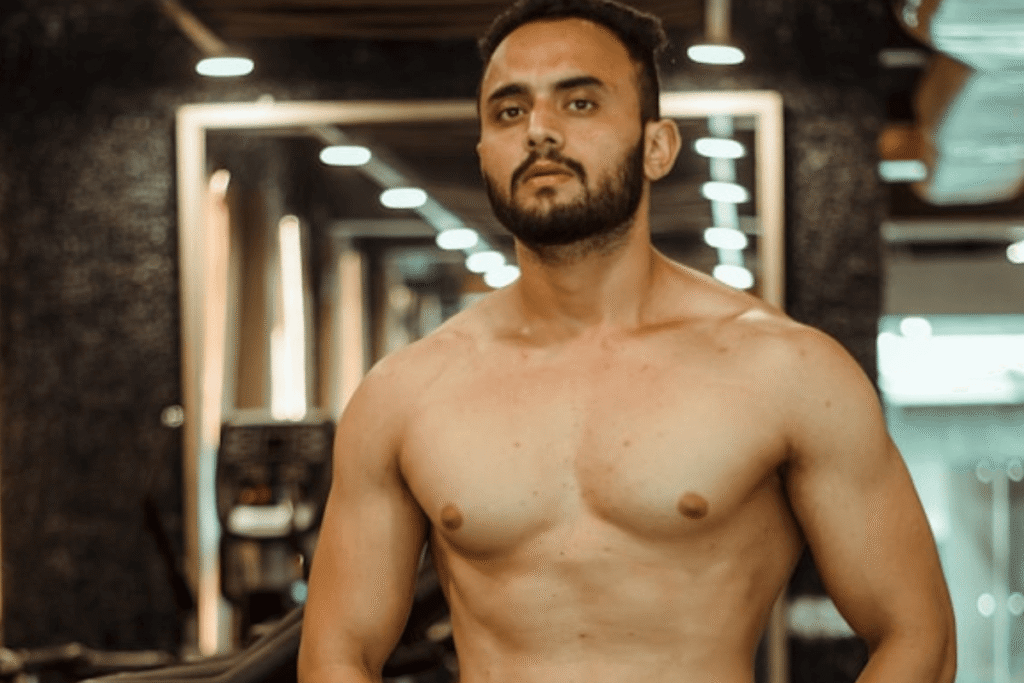
There are plenty of different ways to target and strengthen your upper body without the need for expensive gym memberships or equipment.
You can perform all of these exercises in your own home using just your body weight and a few simple movements to hit your chest, shoulders, arms, and back.
Upper body training can improve posture, increase functional strength, and boost metabolism. Whether you are new to fitness or looking to switch things up in your current routine, home exercise options will help create a balanced, powerful upper body.
The advantages of Upper Body Workouts at Home
- An improved Posture (Strengthens Shoulders/Upper Back) is important for maintaining proper posture throughout your life.
- Increased Strength in Daily Movements (such as lifting, pushing, and carrying) allows for greater ease in performing daily tasks.
- Provides greater Overall Fitness (Muscle Balance);
- Minimal Equipment Needed; and,
- Reduce risk of Injury (improving Joint Stability).
Top Exercises to Build Upper Body Strength at Home
- Push-ups → A total body upper body movement
-Targets: chest, shoulders, triceps, and core;
-Variations: wide, narrow, incline, and decline will alter the intensity. - Triceps Dips (using a chair) → Isolates and tones the triceps.
Steps to complete: Position yourself on the edge of a chair and push down and back up to return to the starting position using controlled movements. - Plank Shoulder Taps → Builds the strength in your shoulder and core while improving balance.
Tip: Maintain a steady hip position to minimize rotational movement. - Pike Push-ups → Strongly target the shoulders.
-Targets: shoulders, upper chest, triceps
-Perfect for mimicking an overhead press workout at home. - Resistance Band Rowing → If you have access to a resistance band, this is a fabulous way to improve your back strength.
-Targets: Lats, mid-back, and rear shoulder regions
-Tip: keep your elbows close together during the exercise to create a stronger contraction. - Arm Circles → Great warm-up or toning.
Benefits: promote better shoulder mobility while increasing muscular endurance.
Helpful Hints for Best Results When Training the Upper Body:
-Aim to train 2-3 times a week;
-Gradually increase repetitions/resistance;
-Always maintain proper form to avoid potential injury.
-Use pushing exercises in conjunction with pulling exercises to create a balanced upper body strength.
How to workout upper chest
If building a well-balanced, full chest is important to you, then working out the upper chest is necessary. The upper chest (also called the “clavicular head”) performs best with incline angles and pushing movements that target the upper part of the pectorals.
Being able to fully access the upper chest in both home and gym workouts will lead to better overall shape, improved posture, and increased strength. Here’s a complete guide for properly activating the upper chest.
Why Train Your Upper Chest?
By strengthening the upper chest, you can achieve several benefits:
- Improved definition of your chest as a whole
- Balanced muscle development so that your lower chest doesn’t dominate
- Increased pushing power for both workout and everyday activities
- Support good posture by strengthening the muscles in and around the upper torso
The Best Ways to Activate the Upper Chest
- Use an incline angle
When doing any type of bench press or fly, performing it at a 30-degree to 45-degree incline will greatly improve your upper chest activation.
Examples: Incline push-up, incline dumbbell press.
2. Perform push-ups at a diagonal or upward angle
Push movements that are directed up (or diagonally) toward the shoulders will engage the clavicular head.
Tip: Keep your elbows slightly turned in toward your body to activate the upper chest more than when they are turned outward.
Top 5 Exercises for Building the Upper Chest
1. Incline Push-Ups
Using an object such as steps or a chair for your feet, perform push-ups with your hands on the floor.
These are a great exercise for increasing tension on the upper chest without any equipment needed.
2. Dumbbell Incline Presses
If you use dumbbells, you should do your incline dumbbell presses or other incline dumbbell exercises at an incline. This is the most effective way to place focused pressure on your upper pectorals.
3. Incline Chest Flys
Use dumbbells, or even water bottles, for this exercise.
By performing this exercise, you will stretch the upper chest and contract it at a very deep level.
4. Low-to-High-Cable-Band Flies
When using Low-to-High-Cable-Band Flys, you pull from a low connection point to your face.
In this way, you will achieve maximum activation of the upper chest.
5. Pike Push-Ups
Although they train the shoulders, Pike Push-Ups are an excellent upper chest exercise.
and can also provide variety and overhead strength.
Helpful Tips for Maximizing Upper Chest Growth
Maintain your incline angle between 30 and 45 degrees
Perform slow, deliberate repetitions to fully activate the muscle
The upper chest should be trained 2 to 3 times per week to achieve consistent growth
Use a combination of pressing and fly movements when training the upper chest
Focus on maintaining proper form instead of using excessive weight
Upper chest workout at home without equipment

When you want to build strong muscles and defined shapes on your upper chest area, you do not need access to a gym. You can use just your body weight if you prefer, and still get good results.
Building strong muscles on the upper portion of your breasts involves using a full range of motion with incline angles (pushing upwards).
A well-conditioned upper chest improves:
- Your overall shape (increase fullness) of your chest
- Support your shoulder stability and posture
- Increase your overall pushing power
- Improve the appearance of balance and athleticism in your upper body
Here are five ways to build your upper chest strength at home using basic tools:
- Incline Push-Up (Feet Elevated)
To perform a feet-elevated incline push-up:
- Elevate your feet using a chair, step, or couch while keeping your hands on the ground and performing a push-up while keeping your body straight
This elevates the resistance load on the upper portion of your chest and puts greater tension on the upper chest compared to normal.
Tips:
- Keep your elbows close to your sides
- Lower your body slowly, then press up fast.
To perform a decline wall push-up:
2. Decline Wall Push-Up
- Your hands will be on the ground, and your feet will be elevated on a wall (the incline is increased) when you perform the exercise
This exercise activates both your upper pectoral muscles and your shoulder girdle.
3. Incline Wide Push-Up
To perform an incline wide push-up: Starting from your incline push-up position, create a wider hand position than your shoulders.
This exercise will give your upper and outer chest greater definition.
4. Low-to-High Resistance Movements (Band-Free Variant)
While bands are commonly used in resistance training for this type of workout, you can mimic the low-to-high fly motion of resistance training at home.
To do this:
- Stand upright with your arms
- Bring your arms from the low angle of your hips upwards towards your shoulders
- At the peak of the upswing, squeeze your chest
- The movements will help improve your mind/muscle connection.
5. Pike Push-Ups (Chest-Focused Variant)
Pike push-ups are primarily a shoulder exercise; however, adjusting the angle shifts the emphasis to the upper chest instead.
To perform a Pike Push-Up:
From the pike position (i.e., you are on your hands and your feet)
Lower your chest toward the floor instead of your head and push through the chest muscles.
Extra Tips to Build Your Upper Chest at Home
- Daily Workout 3-4 Days per Week
- Perform Each Rep at a Slow, Controlled Tempo
- Pause at the top of each Squeeze
- Increase Your Time Under Tension
- Add More Sets as You Continue to Get Stronger
How to work the Upper chest at home
You do not need a gym machine or heavy weights to build a well-defined and strong upper chest. The combination of the correct angle, motion, and consistency will produce quality results for the upper chest.
All you need is an understanding of how the upper chest operates, and the knowledge of which exercises create and direct stress toward the upper chest area (the upper part of the pectoral).
The Importance Of Targeting the Upper Chest During Training
The upper chest (clavicular head) is where all of your upright &/or diagonal movements of pushing originate. Due to the majority of home workouts focusing on either the middle or lower pectoral area, the upper chest tends to be one of the most difficult areas to stimulate and develop. When targeted correctly, the upper chest is capable of providing:
- An increase in the overall fullness of the pectoral.
- Having an optimal posture.
- A stronger and healthier shoulder and upper torso.
- Balanced Development of the Chest As A Whole.
Change Your Angle to Target the Upper Chest
Inclined movement is most effective in stimulating the upper region of the chest. Therefore, it is assumed that any home exercise performed with an elevated foot position will enhance activation of the upper chest area.
Push-Ups With Feet Elevated
Your feet should be elevated using a chair or sofa, and you will execute a controlled push-up.
Why this Exercise Works: Elevation changes your centre of gravity and shifts the majority of your bodyweight placement to the top of the pectoral area.
Push-Ups On An Incline
Standing A few feet away from a wall, place your hands above chest height.
What Does It Do: Light to moderate Engagement Of The Upper Chest For Fitness Beginners or Level Fitness Levels.
Positioning Your Body To Promote Chest Activation.
(Pike) Push-Ups – Focused Chest Activation
Many people think Pike Push-Ups are primarily a shoulder exercise; however, when lowering your chest to the ground, your upper pecs will become more engaged.
(Wide) Inclined Push-Ups
Wider grips may provide greater stretching and activation of the upper pectoral fibers.
Use Your Arms To Simulate An Upper Chest Fly Without Any Equipment.
Without using weight, you can create an upper fly motion while also developing the mind-muscle connection.
What to Do:
- Your Arms Should Start At Your Sides.
- Raise Your Arms To The Top Of Your Collarbone.
- Squeeze Your Chest When Your Arms Reach The Top.
- You will be preheating your upper pec muscles for higher stimulation during push-ups.
Measuring For Maximum Results: Training Your Upper Chest At Home
- Perform 3 – 4 Times A Week.
- Exercise At A Slow Rate During The Lowering Phase And A Rapid Rate During The Pushing Phase Of The Movement.
- Maintain A Stable Torso And Avoid Arching It.
- Gradually Increase Your Repetitions / Sets Over Time.
- Always Visualize The Upper Chest Muscles Contracting.
upper inner chest workout at home
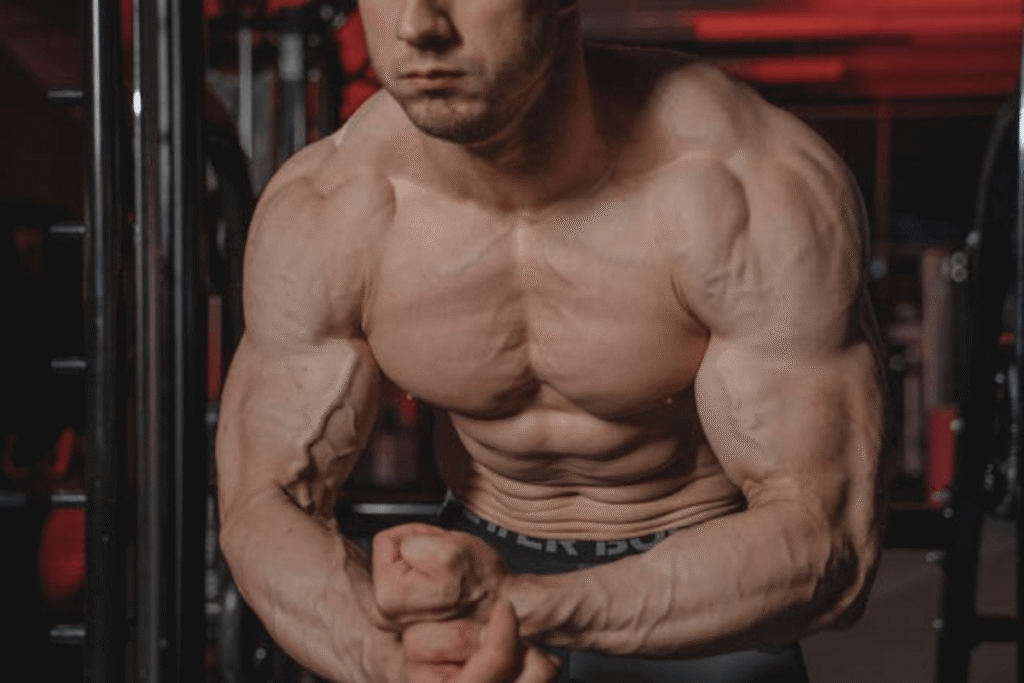
Focusing on the upper-inner chest is regarded as the “halfway house” for many lifters—it’s difficult to create results in this muscle group without first establishing a strong foundation in the upper portions of the chest muscles.
Upper-inner chest development occurs at an angle of incline that best facilitates the “inward squeeze” of upper pec fibers where they attach to the sternum (breastbone). The upper-inner chest responds best to training that includes these dual factors together.
Even with no weights at all, various bodyweight exercises utilizing the right techniques for muscle activation will still provide benefit to this area.
Why Train the Upper-In Chest?
- When you have a strong upper-inner chest, you’re helping to create:
- A fuller, more sculpted appearance to your chest line
- Enhanced symmetry of your chest musculature.
- Strengthened pushing ability (upper body strength).
- Increase your overall upper body posture.
Defining the upper-inner portion of your upper inner chest for a more athletic appearance.
Incline Close-Grip Push-Ups
Using an incline position to perform close-grip push-ups allows you to reposition the load toward the mid-second of your chest, resulting in greater activation of the upper-inner chest.
What to do:
Placing your feet on an elevated object will enable you to perform your push-ups with a slope (to the right of the plank’s direction). Keep your hands close but beyond shoulder width—utilise this to perform your slow, controlled push-ups.
Benefits:
Incline close-grip push-ups will focus on the upper-inner chest and place stress closer to the midline of the chest.
Squeeze Push-Ups (Focused on Inner Chest)
By constantly holding the push-up position while moving through the range of motion, Squeeze Push-Ups will create additional concentric and eccentric tension to the inner chest.
Steps:
Position your hands roughly shoulder-width apart to create a slight pull inward.
As you are pushing your body away from the ground, imagine pulling your palms together by following a straight line toward your center of gravity.
To help keep your elbows in, keep them bent slightly at the sides and keep your shoulders back and relaxed during this exercise.
Why does this exercise work? The Inward Contracting Action is created by placing your hands in an inward direction that simulates the movement you would use when performing a seated cable fly.
Elevated Diamond Push-Ups
A diamond shape reflects the position of your hands while using an elevated bench.
How to: To perform the push-up, place your hands together to form a diamond shape. As you complete the push-up motion, keep your elevated feet off the bench.
Targets: The movement works to engage both the inner chest and upper pecs simultaneously.
Inner Chest Squeeze Holds
Squeeze Holds can be performed even without any extra resistance.
How to: Stand upright, pressing your palms together just below your chest (at the center of your upper chest) for about 20-30 seconds on each repetition several times throughout your training session.
Results: The intra-shift from performing these exercises will develop the wall between performing upper-inner muscle contraction and establishing the muscle memory for the mind-muscle connection.
Low to High Push Movements
Low-to-high push movements can be easily mimicked by performing the push-up position with your arms alone.
How to: You can lower and then bring your arms up to create a V shape. Push your armpits as close to the center as possible and focus on squeezing hard and flexing your upper-inner pecs.
Training Tips for Maximizing Upper Inner Chest Growth at Home
Use Slow/Controlled Repetitions
Focus on performing every repetition in a manner by keeping tension inward with every repetition.
Perform 2-3 Training Sessions Per Week
While performing push-up or push-up-related exercises, keep your chest and shoulders upright with an elevated posture.
Visualize Your Muscles Working While You are Performing These Exercises
SAMMARY
Training the upper chest from home is incredibly effective when you know the best way to use an angle, leverage, and your body position to your benefit. The ability to do feet-elevated push-ups, incline variations, inner-chest squeezes, and pike movements allows you to target every segment of the upper chest without any equipment or weights.
The 3 key building blocks to building strength and definition in your upper chest are consistency, slow-controlled repetitions, and form.You can use these exercises to maximise muscle activation of the entire upper chest or just the upper inner area, as they use only bodyweight for resistance.
Through proper technique and routine, you can develop a stronger, more sculpted upper chest at home. Stick to your programme, progressively increase the resistance over time, and maintain your commitment for long-term growth.