

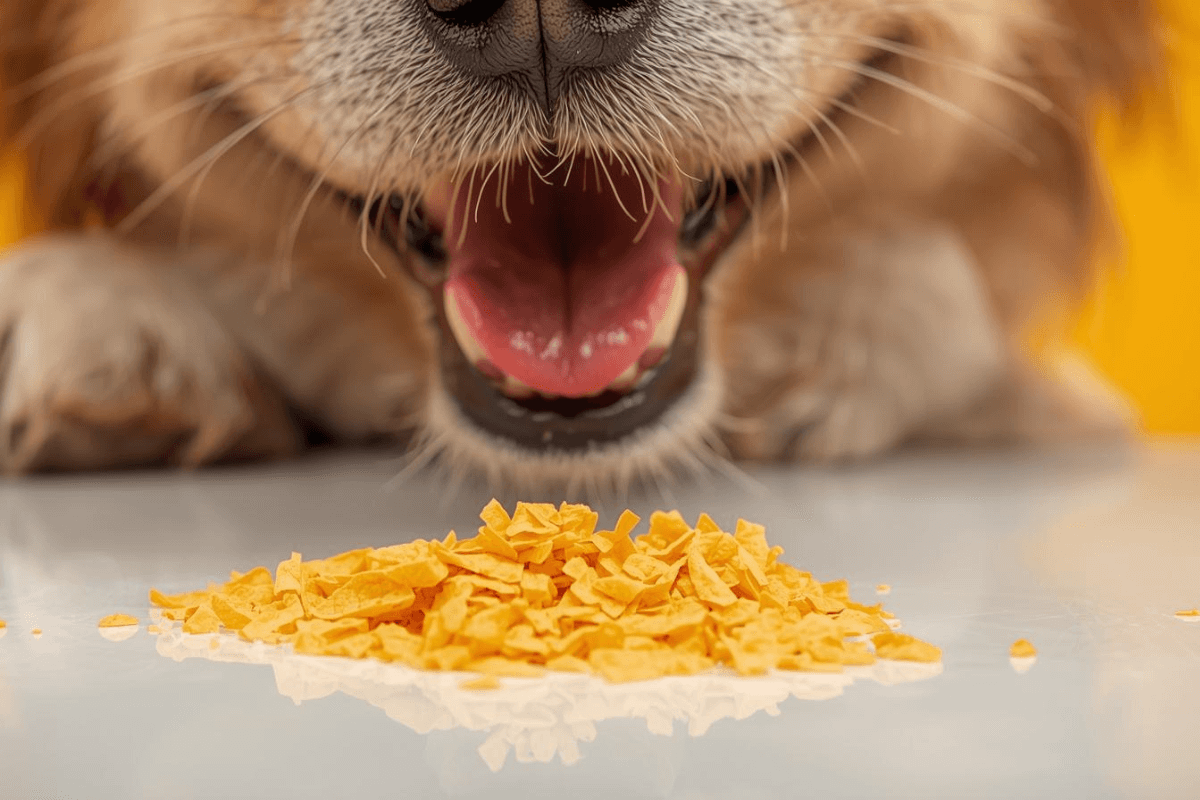
Introduction
Nutritional yeast is an excellent source of nutrients for both humans and dogs, and many dog owners want to know if it will have the same positive effects on dogs
Nutritional yeast for dogs can be part of a well-balanced diet and is a very versatile ingredient in cooking. It can be used to create many different dishes with a cheese-like flavour.
Dogs need a well-balanced diet in order to maintain good health, and nutritional yeast for dogs may be an all-natural way to help support the health and well-being of your dog. Nutritional yeast contains many of the nutrients that are essential for dogs, including B vitamins, protein, zinc, and selenium, which may help maintain healthy skin and a healthy, shiny coat; help keep the digestive system functioning normally; and improve the immune system.
Nutritional yeast for dogs is usually safe for dogs, but like with any other food that you introduce to your dog’s diet or give him/her in excess, caution should be exercised when introducing nutritional yeast to your dog’s diet This article will provide you with information on the benefits of nutritional yeast for dogs, how to give your dog nutritional yeast, and what precautions to take to ensure that you are safe while giving your dog nutritional yeast.
Is nutritional yeast good for dogs?
As a superfood, nutritional yeast for dogs is becoming increasingly popular among pet owners since it has a cheesy, nutty flavor, high levels of nutrients that dogs need to stay healthy, and many uses in cooking. With so much information available about its health benefits for people, many pet owners are interested in knowing whether the same is true for their furry friends.
What Is Nutritional Yeast?
Nutritional yeast is an inactive form of yeast for dogs that is derived from a species called Saccharomyces cerevisiae, which produces large quantities of vitamins and nutrients such as Vitamin B12, protein, selenium, zinc, and iron, which can help keep dogs healthy. Nutritional yeast is often added to dog food or used to flavor homemade dog treats because of its cheesy taste.
Potential Health Benefits for Dogs
- Promotes Healthy Skin and Coat: Nutritional yeast is high in B vitamins and zinc, which help maintain healthy skin and provide dogs with a shiny coat.
- Boosts Immune System: Nutritional yeast contains compounds that may help boost the immune system and improve general health.
- Support Digestive System: Nutritional yeast contains fiber, which promotes healthy digestion and the function of the digestive tract.
- Increases Palatability: The taste of nutritional yeast appeals to many dogs and can be used as a natural treat or added to dog food.
Important Points to Remember
Although nutritional yeast is generally safe for dogs, moderation is essential.
Start With a Small Amount: Always start small (about 1/4 teaspoon) and monitor for digestive side effects like gas and diarrhea.
Do Not Use Fortified Nutritional Yeast: Fortified nutritional yeasts contain added nutrients, such as folic acid and sodium, which can be harmful to dogs.
Know Your Dog’s Allergies: Very rarely, dogs experience an allergic reaction to yeast. If you notice symptoms like itching, vomiting, or diarrhea, discontinue use immediately.
Consult a Veterinarian Before Using Any Supplements, Including Nutritional Yeast: It is always a good idea to get the advice of a veterinarian before adding a new supplement to your dog’s diet or giving any dietary supplement to your dog.
Can dogs eat nutritional yeast?

The use of nutritional yeast for dogs as a dietary supplement has grown in popularity with many people due to the nutrient-dense composition and the savory, cheesy taste of the product. The question that many dog owners have is whether or not this trend is safe for their furry friends.
The good news is that nutritional yeast has been used by most dogs throughout many generations and offers several potential health benefits when fed appropriately.
In other words, nutritional yeast can be an excellent natural dietary supplement to enhance your dog’s nutritional intake, which makes mealtime more enjoyable and contributes to improved overall health and wellness.
The Benefits of Feeding Nutritional Yeast to Dogs
Nutritional Yeast Supports Healthy Skin & Coat: Nutritional yeast contains many B Vitamins and Zinc to help keep your dog’s skin healthy and provide your dog’s coat with that shiny luster.
Nutritional Yeast for Dogs Boosts Immune Function: Certain compounds identified in nutritional yeast can help enhance your dog’s immune system, increasing your dog’s overall health.
Nutritional Yeast Promotes Healthy Digestion: When fed as a source of fiber, nutritional yeast aids in digestion, assists in maintaining healthy bowel movements, and promotes gut health.
Nutritional Yeast Enhances Food Flavor: The natural cheesy taste is something that many dogs appreciate. Nutritional yeast makes an excellent topping on dog food and adds a tasty cheese flavor to homemade dog treats.
What to Keep in Mind
While nutritional yeast has proven to be safe for the majority of dogs, moderation is the key to success. When introducing nutritional yeast to your dog, it is always best to start feeding a small amount at first since nutritional yeast can cause gastrointestinal upset, such as gas or loose stools.
Do not give your dog any type of fortified nutritional yeast with added nutrients, sodium, and/or preservatives that may not be appropriate for dogs. Even though it’s not common, some dogs may experience an allergic reaction to yeast, including signs of itching, vomiting, or diarrhea; therefore, stop feeding immediately and seek veterinary guidance.
Always consult with your veterinarian prior to introducing a nutritive product into your dog’s diet to ensure it is safe and meets your dog’s individual dietary needs.
In moderation, nutritional yeast is an excellent way to enhance your dog’s diet with both nutritional and tasty benefits. Nutritional yeast provides many vitamins, minerals, and fiber that support your dog’s skin & coat health, immune function, and digestive health.
When used in propriety amounts, nutritional yeast will help make your dog’s meals enjoyable and promote long-term health and happiness for your companion animal.
Is nutritional yeast safe for dogs?
Many dog owners wonder if the health benefits their pet can receive by using nutritional yeast are as great as the benefits humans obtain from taking this product due to its high level of nutrition and wonderful cheesy taste. Fortunately, nutritional yeast is safe to use in moderation with your dog and can provide some health benefits.
Health Benefits of Nutritional Yeast:
- Skin and Coat: Nutritional Yeast for dogs is a great source of B-Vitamins and Zinc, which contribute to the overall healthy condition of your dog’s skin and a shiny coat.
- Immune System: Nutritional Yeast contains compounds that can help support their immune system and improve overall health.
- Digestive Health: Nutritional Yeast is a good source of fibre that will support healthy digestion and regular bowel movements.
- Apalatability: Many dogs enjoy the flavour of nutritional yeast; therefore, it can encourage dogs that are usually picky eaters to eat their food.
Important Safety Tips for Nutritional Yeast for Dogs:
While using nutritional yeast is considered to be generally safe, here are some things to keep in mind:
- Moderation: You should introduce nutritional yeast to your dog slowly (using small amounts), as too much at once can cause digestive problems (such as gas and/or diarrhea).
- Be Careful with Fortified Varieties: Fortified nutritional yeast (that is fortified with extra vitamins, minerals, and/or large amounts of sodium) is not healthy for dogs.
- Be Aware of Allergies: Dogs can have an allergic reaction to yeast. This is usually manifested by itching, vomiting, or diarrhea. If you notice any adverse reactions, please stop using this product immediately.
- Always consult with your veterinarian before starting any supplement. Always check to see if this supplement is an appropriate addition to your dog’s health and diet.
Is nutritional yeast bad for dogs?

Nutritional yeast is a widely available dietary addition for people because of its high B vitamins, protein, and mineral content. For this reason, many people want to know more about how to add nutritional yeast to their dog’s diet, including any negative side effects that may occur.
Overall, nutritional yeast is safe for most dogs; however, there are certain situations in which using nutritional yeast can have negative effects on a dog. Examples of these situations are listed below and indicate potential dangers of using nutritional yeast incorrectly.
- Over-feeding – Nutritional yeast should always be given in moderation, as an excessive amount may lead to an upset stomach (gas, bloating, and diarrhea) due to the high levels of all three nutrients in nutritional yeast.
- Flavored/Fortified Nutritional Yeasts – Some nutritional yeast products are fortified with added vitamins, minerals, or flavorings that may be unsafe for some dogs, particularly if they contain high levels of sodium.
- Allergy/Sensitivity – Some dogs may be allergic or sensitive to yeast; while rare, it is important to be aware of this problem. In the case of an allergic reaction, dogs may vomit, itch, or experience an upset stomach due to sensitivity to yeast.
- Pre-existing Health Issue(s) – Certain pre-existing health conditions, including kidney failure, can limit the extent of nutrients that your dog can consume due to the high concentration of certain nutrients in nutritional yeast. It is best to talk with your veterinarian before adding nutritional supplements to your dog’s diet.
Safe Guidelines for Using Nutritional Yeast Safely
- Introduce small amounts of nutritional yeast to your dog’s diet before introducing larger amounts; this will help prevent any unwanted reactions from developing.
- Use only regular, unfortified nutritional yeast products whenever possible; this will limit your dog’s exposure to additional chemicals present in flavored or fortified products.
- Always keep an eye out for signs of any distress or allergic reactions in your dog after introducing nutritional yeast to their diet.
- Consult your veterinarian before adding any nutritional supplements to your dog’s diet, including nutritional yeast.
When using nutritional yeast correctly, it is perfectly safe to give to dogs. HOWEVER, if your dog is allergic or sensitive to yeast, you should STOP using it completely. If you use nutritional yeast in compliance with these recommendations, then your dog should have similar positive benefits as those experienced by humans.
So, Is Nutritional Yeast Good For Dogs?
Nutritional Yeast is an incredible supplement that has gained popularity among dog owners who appreciate its many nutrients and the fact that it has a naturally cheesy taste.
While it can definitely be a great addition to their diet, dog owners should also keep in mind what they need to do to use this supplement safely, with moderation being the most important aspect of using nutritional yeast in dogs.
Some of the Benefits of Nutritional Yeast for Dogs
- Promotes Skin and Coat Health: The B vitamins and zinc contained in nutritional yeast help to promote shiny coats and healthy skin in dogs.
- Promotes Immune System Health: Yeast contains certain compounds that boost the immune system of dogs, thus promoting overall health.
- Aids in Maintaining Digestive Health: The fibre that is found in yeast helps dogs to maintain healthy digestion and have regular bowel movements.
- Enhances Food Taste: Dogs who may be picky eaters may benefit from the added benefit of the cheesy taste of nutritional yeast to enhance the flavour of their food.
Things to Consider When Using Nutritional Yeast
- Moderation Is Key: Too much nutritional yeast can cause dogs to experience digestive disorders, such as gas or diarrhea.
- Avoid Fortified or Flavored Nutritional Yeasts: Many nutritional yeast products have extra vitamins, minerals, or other additives that may not be suitable for dogs.
- Watch For Allergies: Very rarely do dogs develop allergies to yeast; if your dog shows symptoms of vomiting, diarrhea, or excessive itching, discontinue use of the product.
- Talk To Your Veterinarian: Always consult your veterinarian before adding any supplements to your dog’s diet to be sure it will benefit your dog’s health.
Overall, when used correctly, nutritional yeast is a safe and healthy supplement for most dogs. By ensuring that you are providing the right amount of nutritional yeast for your dog and monitoring your dog for any negative reactions, nutritional yeast will improve the quality of your dog’s diet and help contribute positively to the overall well-being of your dog.
How Can Nutritional Yeast For Dogs
Many pet owners are familiar with Nutritional Yeast as a nutritional supplement for dogs and cats. However, they may not be aware that it has many advantages for your dog’s overall wellness. There are numerous health benefits associated with incorporating nutritional yeast into your dog’s diet properly.
Benefits of using Nutritional Yeast for dogs include the following:
Improves the Quality of Skin and Coat – Nutritional yeast is an excellent source of B vitamins and contains Zinc, both of which are essential to the maintenance of healthy skin and a shiny coat. When used regularly, nutritional yeast can reduce dry skin, flakes, and excess shedding.
Supports A Healthy Immune System – Nutritional yeast contains numerous compounds that improve the effectiveness of your dog’s immune system and its ability to fight off infections and illness.
Aids Digestion – Nutritional yeast is a source of fibre that assists the digestive tract to operate correctly, as well as to support regular bowel movements.
Makes Your Pet’s Meals Taste Good – Nutritional Yeast has a natural cheesy flavour that makes it a delicious way to enhance the taste of your dog’s meals and may be an excellent addition to dogs with weight issues.
How to Use Nutritional Yeast for Dogs

Begin Slowly – When first using nutritional yeast in your dog’s meal, you should start with a very small pinch of nutritional yeast to allow you to monitor your dog for any adverse reactions or potential allergies.
Choose Plain Yeast – Any time you buy nutritional yeast for your dog, make sure to purchase plain unfortified yeast. Fortified yeast contains added vitamins, minerals, and higher levels of sodium that may cause harm to your dog’s health.
Observe Your Dog – After adding nutritional yeast to your dog’s diet, keep an eye out for any signs of digestive upset or allergy symptoms including vomiting, diarrhoea, and itching.
Consult your Veterinarian – Before adding any supplement or product to your dog’s diet, it is essential to speak to your veterinarian to determine if it is suitable for your dog’s age, weight, and health status.
If done responsibly, nutritional yeast is safe and effective in improving your dog’s overall health by giving your dog essential nutrients to promote healthier skin and coat, enhance the immune system, and enhance the flavour of your dog’s food. Nutritional yeast is an excellent supplement for your furry friend’s health and happiness!
Conclusion
Nutritional yeast is a great source of nutrition for your dog, particularly when used responsibly, as part of your dog’s diet. It provides benefits that include improving coat and skin condition, increasing immunity, aiding digestion, and improving the taste of food.
It is important to remember that moderation is essential; always use unfortified, non-flavored nutritional yeast. Before adding nutritional yeast to your dog’s diet, consult your veterinarian for proper dosage and to check for any adverse reactions.
When used correctly, nutritional yeast can be a very easy, natural way to increase your dog’s overall health and wellness.